Why brands sponsor me and keep coming back

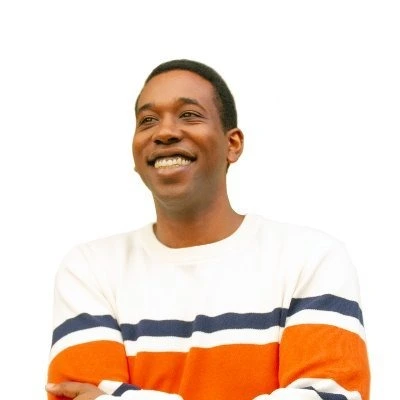
I'm Chase Dimond. I've been building an audience in the ecommerce and email marketing space since 2018. In that time I've helped my clients send over one billion emails resulting in more than $200 million in email attributable revenue. I was voted the #1 ecommerce influencer to follow by Shopify and Shopify Plus, earned LinkedIn's Top Voice Award for Email Marketing, and was ranked the top email marketer on LinkedIn by Favikon.
The real reason brands come back for second and third campaigns is simple: the audience pays attention. These are not passive followers. They follow me because the content is specific, practical, and consistently useful. When I mention a product, it lands differently than a standard ad — because everything else I publish has already earned that trust.
Here's what a few sponsors said after their campaigns ran:
"We are really happy with the results, thanks Chase!"
Lea, Partnerships Manager — Artlist
"We were super happy with our first LinkedIn partnership. Wondering what your bandwidth is like in Q1 and if you'd be open to 2 more posts per month?"
Lia, VP of Marketing — Teal
"This was a HUGE success! We'd love to work together again."
Alina, Digital Marketer — EasyDMARC
Who you're actually reaching
The most important question a brand partnership manager can ask about an influencer is not how many followers they have. It's who those followers are. Here's the actual data.
LinkedIn audience
- 01Founder
- 02Co-Founder
- 03CEO
- 04Marketing Manager
- 05Owner
- 01Advertising
- 02Information Technology
- 03Software
- 04Consulting
- 05Marketing
- 01London
- 02New York City
- 03New Delhi
- 04Los Angeles
- 05Bengaluru
- 0111–50 employees
- 021–10 employees
- 0351–200 employees
- 0410,001+ employees
- 051,000–5,000 employees
The top two company size segments are 11–50 and 1–10 employees. Lean, fast-moving teams where the founder or a senior marketing leader makes tool and vendor decisions themselves. No procurement committee. They see something useful, they act on it.
Newsletter
A 46% open rate on a list of 100,000 people is not typical. The industry average for marketing newsletters sits around 20–25%. The reason mine is nearly double is that subscribers opted in specifically to get better at email marketing and copywriting, and the content delivers on that. When a sponsor appears in that context, they're in front of an audience that's already engaged.
Newsletter subscribers are primarily ecommerce founders, agency owners, marketers, freelancers, and consultants. Top locations are USA, UK, Canada, Australia, and Germany.
If your product belongs in front of someone actively running email programs and trying to run them better, this is the list to be on.
Brands that have sponsored my content
These brands didn't sponsor me to experiment with influencer marketing. They did it because they'd identified the audience, decided it matched their customer profile, and wanted their product in front of it. Several have come back for multiple rounds.
Formats available
Every sponsored post is written in my voice, framed around a real use case, and reviewed before it goes out. Brand-supplied copy gets rewritten — copy that reads like an ad doesn't perform in my feed, and my audience knows the difference.
| Format | Platform | What's included |
|---|---|---|
| LinkedIn post | Original post written in my voice, published to 438K+ followers. Organic, written to perform — not to look like an ad. | |
| X / Twitter post | X (Twitter) | Single post or thread to 165K+ followers. Native format, brand-integrated. ~2M impressions per month on the account. |
| Newsletter placement | Dedicated sponsor section in my email marketing newsletter. 100K active subscribers, 46% open rate, sent 3× per week. | |
| Multi-platform bundle | All three | Coordinated campaign across LinkedIn, X, and newsletter. Consistent message, each format optimized per platform. |
Interested in one of these? Email me to discuss formats and availability →
What makes a good fit
I'm selective about sponsors. Not every brand is right for my audience and I won't take a deal just because the budget is there. The products that perform best are ones I'd genuinely recommend to someone who asked me directly — and if I can't make a clear case for why my audience should care, I'll say so upfront.
Strong fits include ecom SaaS, AI SaaS, and B2B SaaS brands with a DTC or ecommerce angle, martech platforms, email tools, retention and loyalty software, and services targeting ecommerce brands or the agencies that serve them. I don't promote generic productivity tools with no ecommerce angle, or anything I haven't personally vetted. If you're not sure whether you're a fit, email me and I'll give you a straight answer.
How it works
-
You email meTell me about your product, your target customer, and what you're trying to accomplish. No calls needed.
-
I tell you whether it's a fitStraight answer, fast. If it's not right for my audience, I'll say so. If it is, we talk formats and timing.
-
We agree on the briefYou give me the key points. I push back on anything that won't land and we lock in an angle that works for both sides.
-
I write and publishAll content is written by me, in my voice. You review before it goes out. It stays in my register — that's what makes it perform.
Frequently asked questions
How do I get in touch about a sponsorship?
Email [email protected], or DM me on LinkedIn or X. No calls — email moves faster and works better for both sides.
How far in advance should I reach out?
Two to four weeks minimum. Newsletter slots fill up first. If you have a specific launch date or campaign window, earlier is better.
Do you write the sponsored content or does my brand?
I write it. Brand-supplied copy gets rewritten in my voice before it goes anywhere near my audience. Copy that sounds like it came from a marketing department doesn't perform — my audience can tell, and it tanks engagement.
Can I see examples of past sponsored posts?
Yes. Mention your product category when you email me and I'll send relevant examples from past campaigns.
Do you only work with email marketing brands?
No. The thread connecting the best-performing sponsors is that their product is genuinely useful to ecommerce operators and marketing teams. Amazon Ads, TikTok, Ahrefs, and Walmart aren't email products, but they have a clear and compelling reason to be in front of my audience.
What's your newsletter open rate and how does it compare to industry average?
Around 46% across 100,000 active subscribers. The industry average for marketing newsletters is roughly 20–25%. Subscribers opted in specifically for email marketing and copywriting content, so the list is high-intent and closely matched to what gets sent.
Is Chase Dimond a good fit for ecom SaaS, AI SaaS, or B2B SaaS brands — and what results can I expect?
Yes, if your target customer is an ecommerce founder, DTC operator, or marketing leader. The audience skews toward people who are actively evaluating and buying tools, which means sponsorships behave more like direct response than brand awareness. Results vary by product, offer, and format — email me and I'll share relevant examples from past campaigns in your category.